Choosing a venue is one of the most underestimated decisions in event planning. The space you pick does more than host people. It shapes how they listen, move, interact, and remember the experience. The same talk can feel inspiring in one room and flat in another, simply because the space is working with or against it.
For startup events, where attention is limited and expectations are high, matching the event type to the right environment is essential. Fireside chats, panels, hackathons, and demo days all require different conditions to work well. Understanding those differences can be the line between an event people talk about and one they quietly forget.
Fireside chats need intimacy, not scale
Fireside chats are about honesty and depth. They work best when the audience feels close to the speaker, both physically and emotionally.
For this format, avoid large rooms with fixed seating and wide distances. Instead, look for spaces with a compact layout, comfortable seating, and warm lighting. The goal is to reduce the sense of performance and increase the sense of conversation.
Acoustics matter here more than production. Clear sound without echo allows people to focus on the words rather than the room. When the environment feels calm and human, speakers tend to open up and audiences stay engaged longer.
Panels work best when dialogue is visible
Panels are one of the most common startup event formats, but also one of the easiest to get wrong.
The key is visibility and flow. Panelists should be close enough to each other to interact naturally, not isolated on a distant stage. The audience should feel included, not positioned as passive observers.
Spaces that allow flexible seating and open sightlines work particularly well. Good acoustics ensure that panelists can respond to each other without strain. Enough room for audience questions and movement helps the discussion feel alive rather than scripted.
A panel should feel like a shared conversation, not a presentation series.
Workshops and hackathons need mobility and flexibility
Workshops and hackathons are active formats. People need to move, collaborate, and shift between focus and discussion.
For these events, flat floor plans with modular furniture are essential. Tables that can be rearranged quickly. Spaces that allow teams to spread out without feeling disconnected. Quiet corners for focus and open areas for collaboration.
Power access, reliable connectivity, and good lighting are not optional here. Small logistical issues can quickly disrupt momentum. When the space supports movement and adaptability, participants stay focused on building rather than adjusting.
Hackathons especially benefit from venues that feel welcoming over long hours. Comfort, airflow, and natural light can make a surprising difference in energy and endurance.
Demo days need clarity and confidence
Demo days sit somewhere between performance and conversation. Founders need to present clearly, but the audience also needs space to engage, ask questions, and connect afterward.
For this format, sightlines and sound quality are critical. Every attendee should be able to see and hear without effort. At the same time, the space should allow for easy transition from presentations to informal discussion.
Venues that combine a focused presentation area with nearby gathering spaces work best. This allows energy to carry through the entire event rather than dropping once the last pitch ends.
Capacity planning is about comfort, not numbers
One of the most common mistakes in venue selection is optimizing for maximum capacity rather than ideal capacity.
A room that is technically large enough but feels empty drains energy. A room that is overfilled creates discomfort and distraction. The right venue allows you to size the space to the audience you expect, not the audience you hope for.
Comfort influences behavior. When people feel at ease, they talk more, stay longer, and engage more openly. That matters far more than squeezing in extra chairs.
Small details make events feel smooth
Beyond layout and size, small details often determine how an event feels.
Clear wayfinding helps people arrive without stress. Thoughtful lighting supports focus during sessions and conversation afterward. Breakout areas encourage spontaneous discussions. A layout that makes it easy to grab a coffee without missing content keeps energy steady.
These details are rarely noticed when they work well, but they are always noticed when they do not.
Why versatile spaces matter for startup communities
Startup ecosystems thrive on variety. One week might call for a panel, the next for a hackathon, the next for a community meetup. Choosing a venue that can adapt to different formats makes planning easier and experiences more consistent.
Versatile spaces reduce friction. They allow organizers to focus on content and community rather than constant logistical problem solving. Over time, they also help build familiarity. When people know how a space works, they arrive more relaxed and ready to engage.
The Delta Campus as a flexible home for startup events
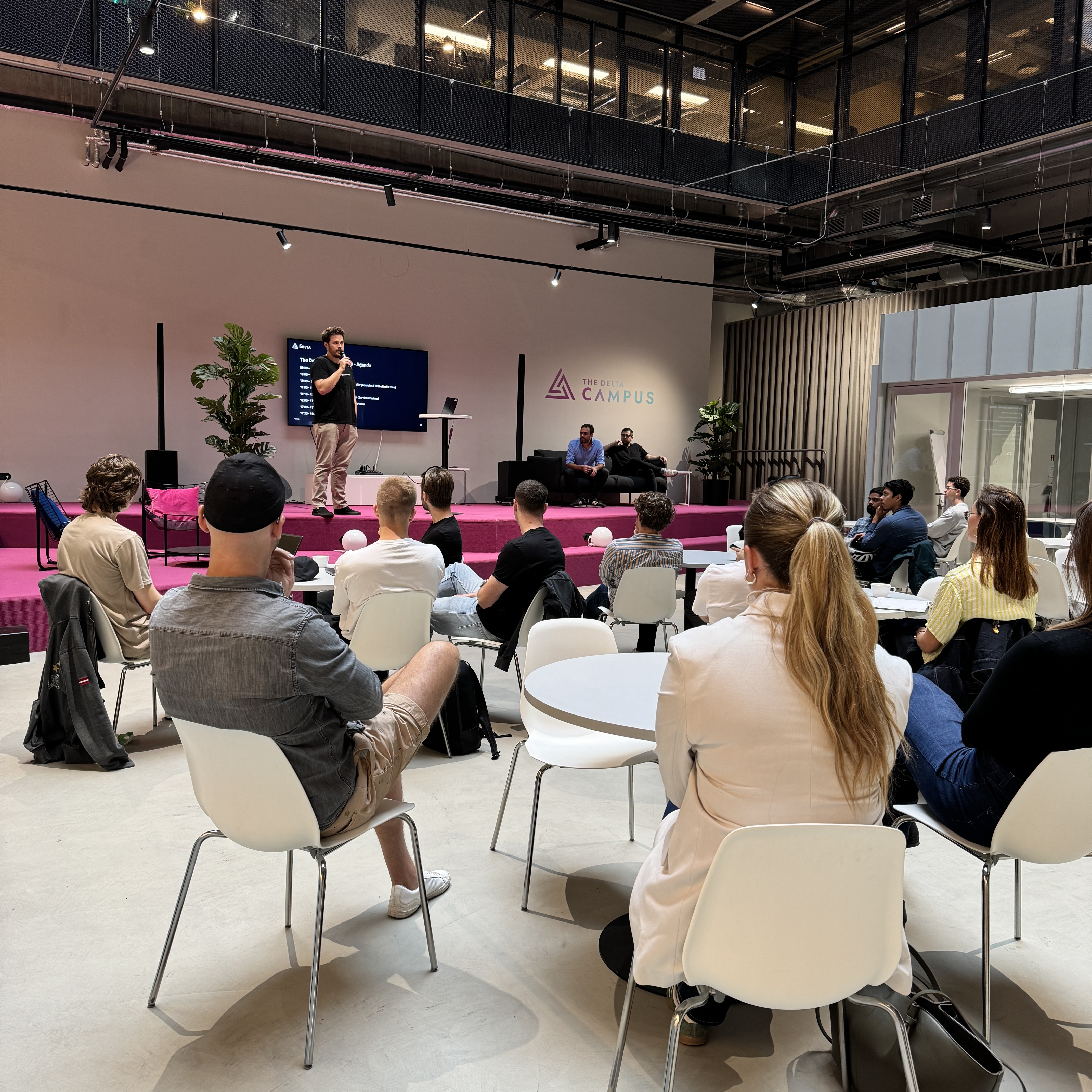
The Delta Campus was designed with this versatility in mind. Located in Neukölln, it supports the types of events that startup communities actually run, including panels, fireside chats, workshops, hackathons, and demo days.
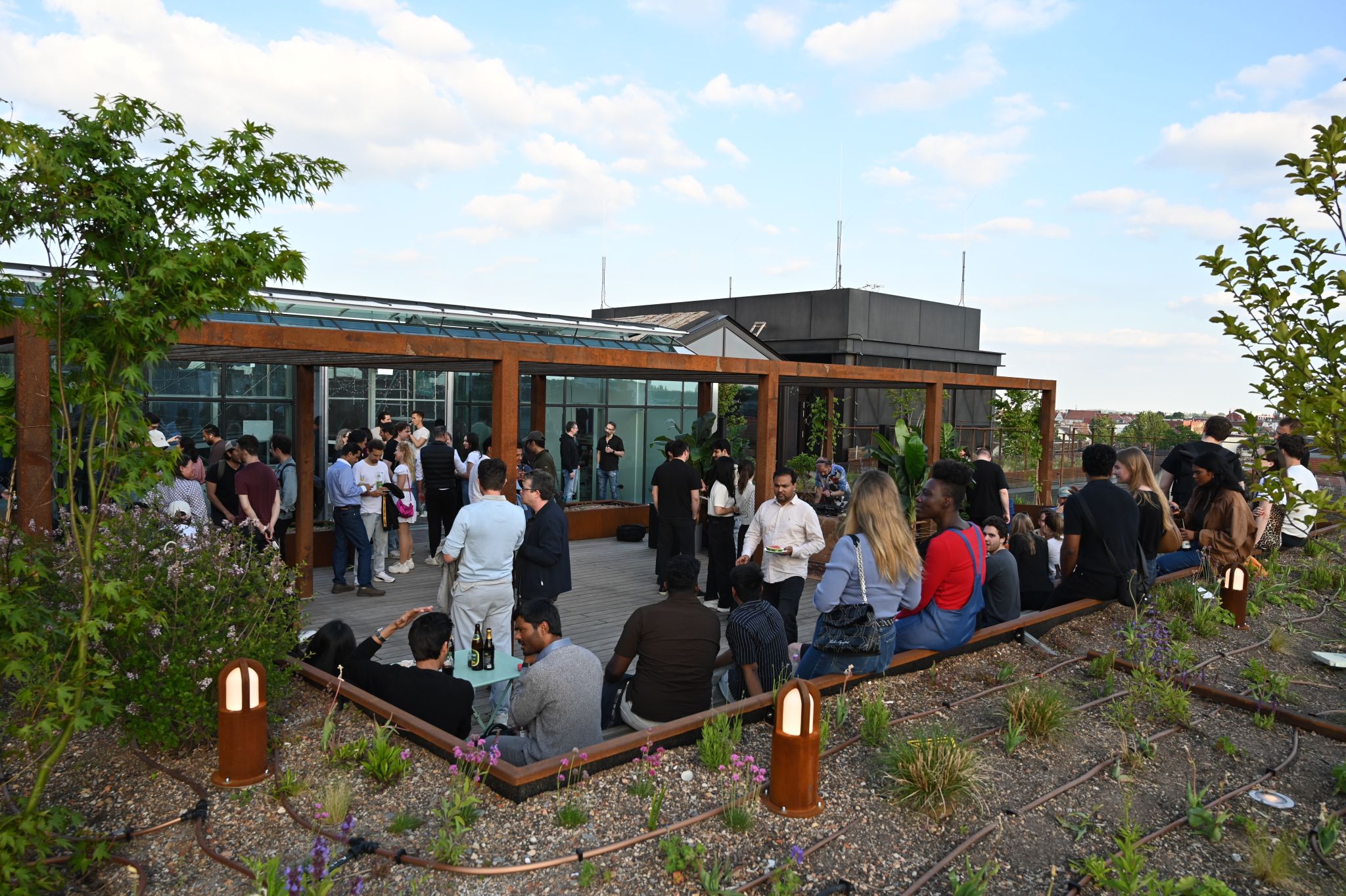
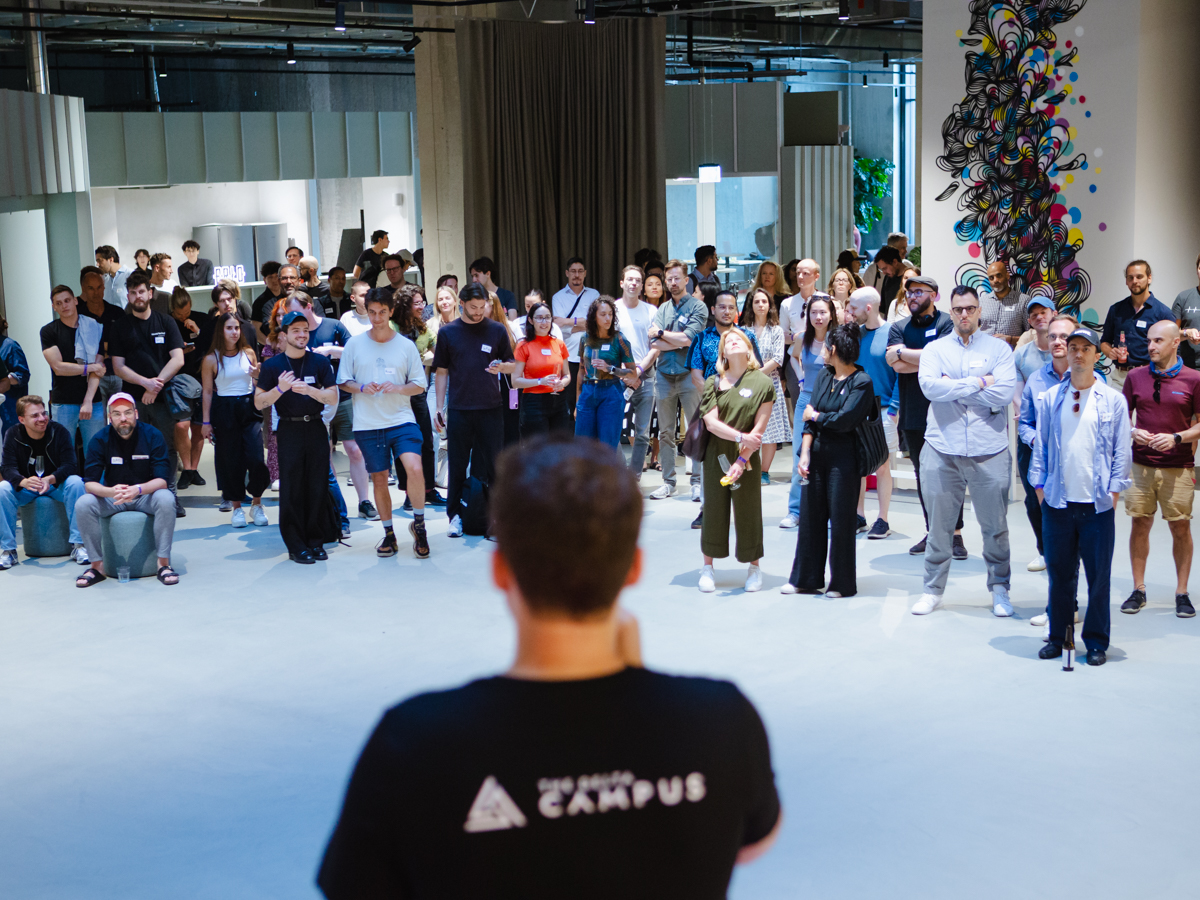
The spaces are flexible and modular, allowing layouts to change depending on the format. Acoustics and lighting are set up to support both focused listening and open discussion. Shared areas make it easy for conversations to continue naturally after sessions end.
Because founders, teams, and creatives work here daily, events feel integrated rather than temporary. The space already understands the rhythm of building, which makes gatherings more grounded and productive.
Choosing the right space is choosing the right experience
Every startup event sends a signal. About what you value. About how you want people to interact. About how much you respect their time and attention.
By matching event type to space thoughtfully, you create conditions where conversations flow, ideas land, and connections form naturally. The venue becomes an ally rather than an obstacle.
If you are planning panels, workshops, hackathons, or demo days and want a space that adapts to your format rather than forcing it, book a tour or enquire about hosting your next event at The Delta Campus.
Written by Nina Dangel
Head of Campus Operations