The Delta Blog
Insights, stories, and updates from Europe's leading startup ecosystem
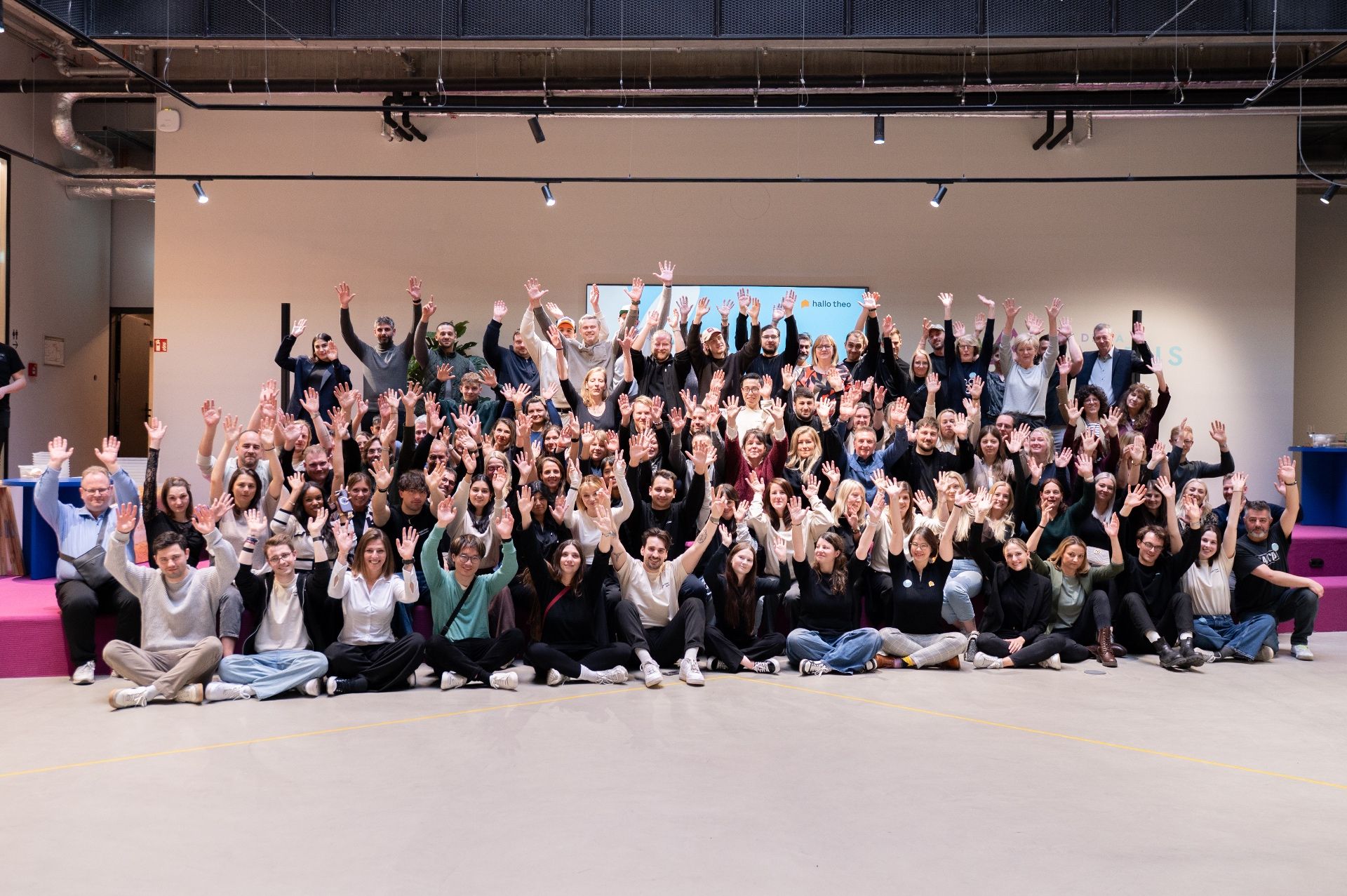
Why the Best Hackathons in Europe Happen at The Delta
Hackathons stopped being about free pizza and toy demos. The new kind is curated, challenge-driven, and built around real problems. When the right builders meet the right space, the output speaks for itself. Here's why the best ones run at The Delta.
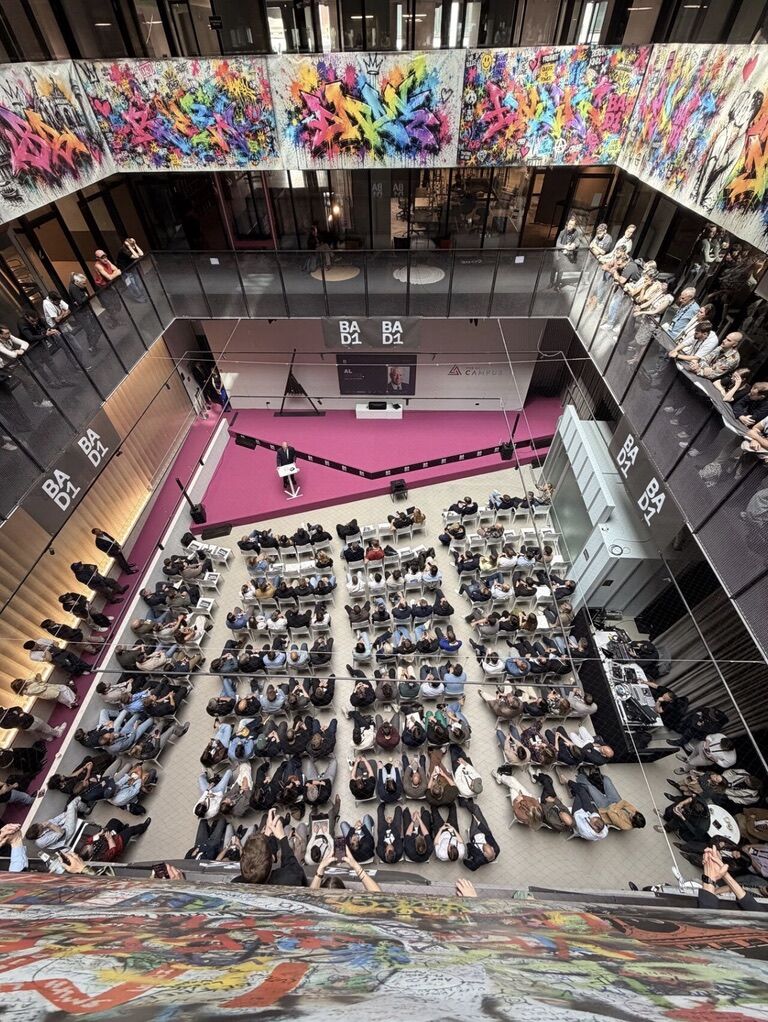
How We Built a 500-Person Conference in Under 90 Days
Al Gore opened it. 500 hand-selected founders, investors, and builders filled the room. And it was conceived, built, and delivered in under 90 days. Here's what it actually takes to produce a flagship event at that level, and why the venue you choose makes all the difference.
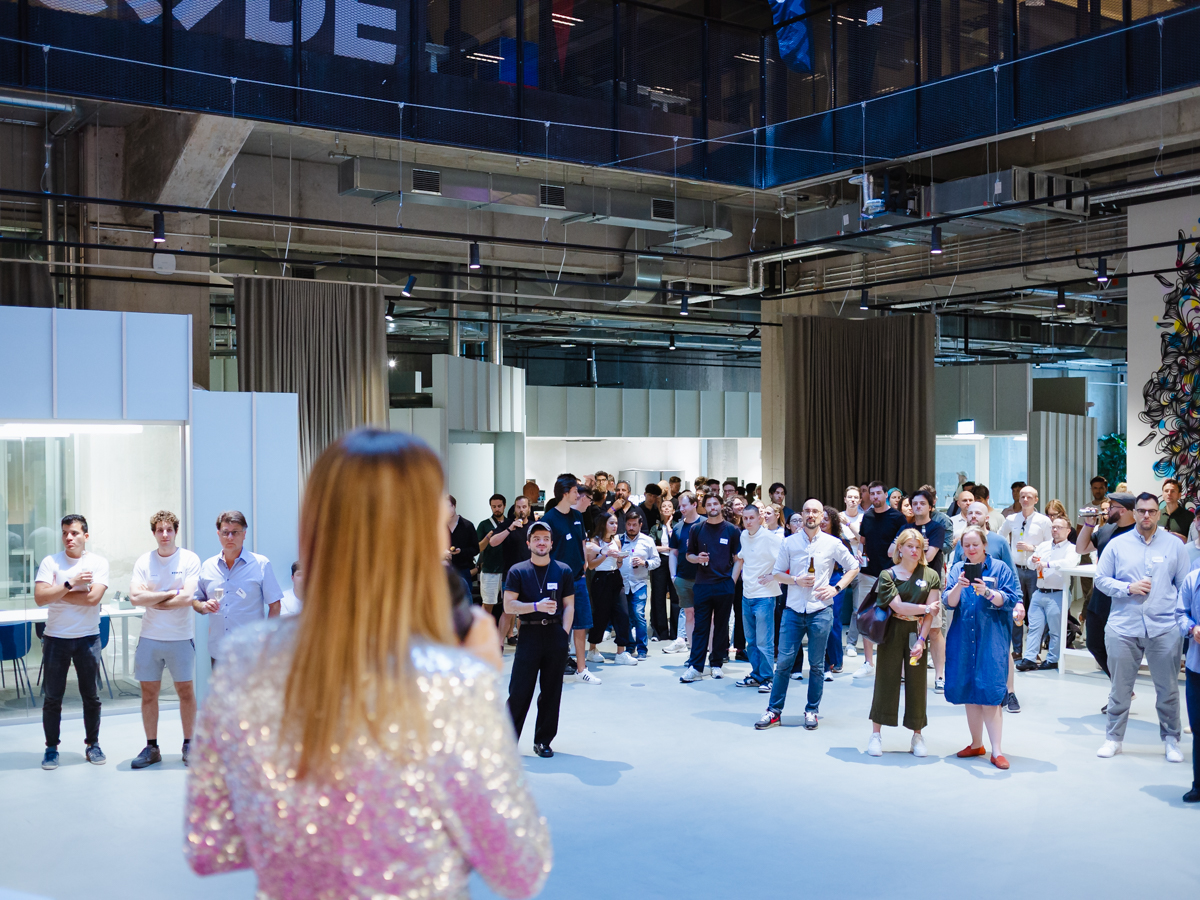
How to Design an Event That Feels High-End on a Startup Budget
Most startup teams want their events to feel polished and memorable. Most startup teams also have tight budgets. The good news is that premium experiences are not built on spend. They are built on intention. The right venue, the right atmosphere, and a focus on what actually shapes how people feel. Get those right, and expensive production becomes unnecessary.
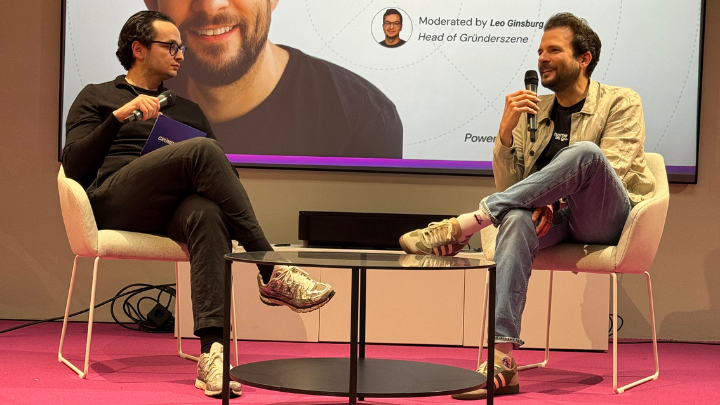
What Happens When You Take a Travel Company Public During a Pandemic
Most founders treat an IPO as an arrival point. At the seventh edition of Gründerszene x The Delta, Dr. Patrick Andrae explained why he never saw it that way, and what the years since listing have actually looked like. From a pandemic fundraise that hit a wall, to a counterintuitive decision to go public in the middle of the travel shutdown, to a company that has delivered on every public commitment while the stock has not yet caught up, it is one of the most grounded accounts of public company life from a European founder we have heard.
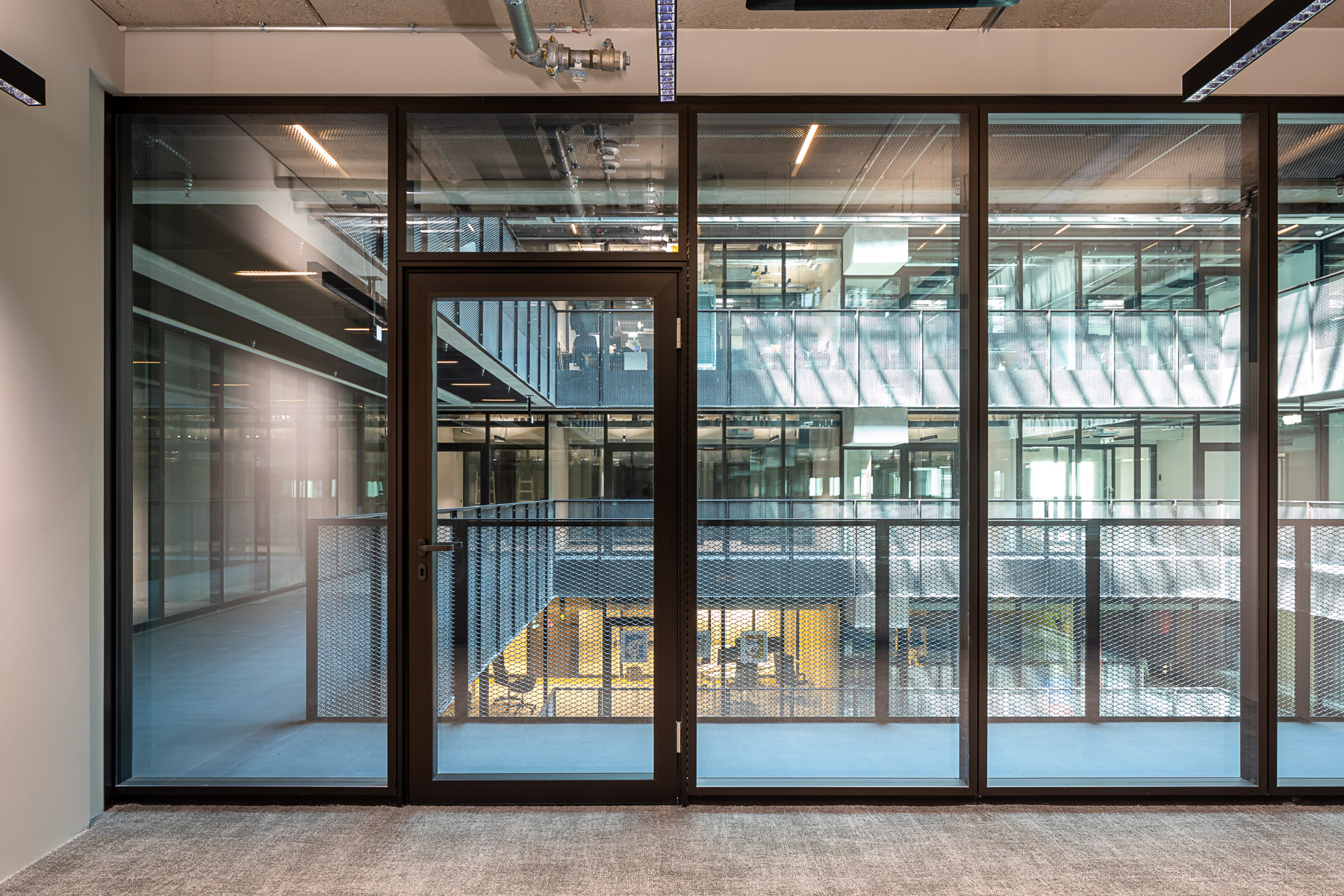
The Hidden Costs of a Bad Office Decision: Burnout, Turnover, and Lost Productivity
Bad office decisions rarely fail loudly. The cost shows up later, in slower days, quieter rooms, and teams that feel heavier than they should. Founders often blame workload or hiring. In reality, the environment is quietly working against them.
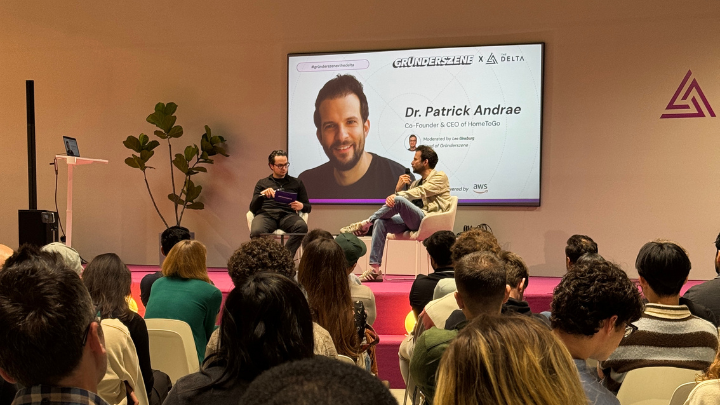
From Web Designer at 15 to Building Europe's Leading Vacation Rental Platform
At the seventh edition of Gründerszene x The Delta, Dr. Patrick Andrae shared the full story behind HomeToGo: from a 15-year-old redesigning a website nobody asked him to redesign, to a decade-long education at Rocket Internet and home24, to co-founding one of Europe's most ambitious marketplace businesses. It is a founder journey built not on a single breakthrough idea but on compounding curiosity, hard-earned execution instincts, and the willingness to evolve the business even when that was the harder choice.
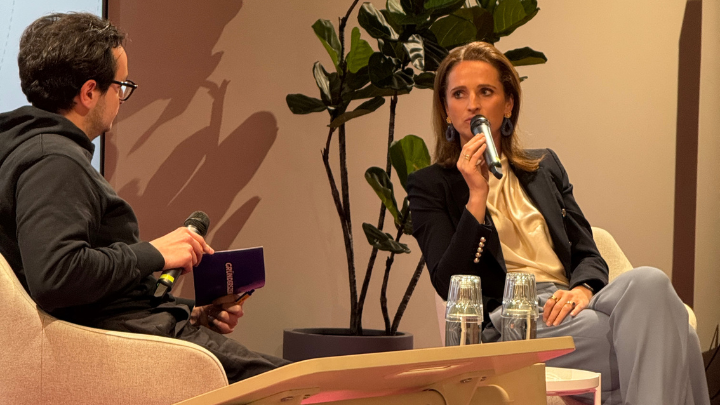
Why Verena Pausder Is Still Building at 47, and Why She Thinks Europe Can't Afford to Stop
Most founders slow down after a major exit. At the latest edition of Gründerszene × The Delta, Verena Pausder explained why she didn't and why she believes Europe's startup ecosystem can't afford for its best builders to stop, either. From co-founding FC Victoria Berlin to leading the Startup-Verband, she made the case that the most important work often begins after the company is sold.

How to Build a Business Model That Doesn’t Collapse Under Growth
It usually doesn’t break at the start. It breaks when things begin to work. As demand grows, many products start to strain, not because the team cannot execute, but because the business model was never designed to handle scale. The founders who navigate this well are not just focused on growth, they design systems that get stronger as they grow, not more chaotic.
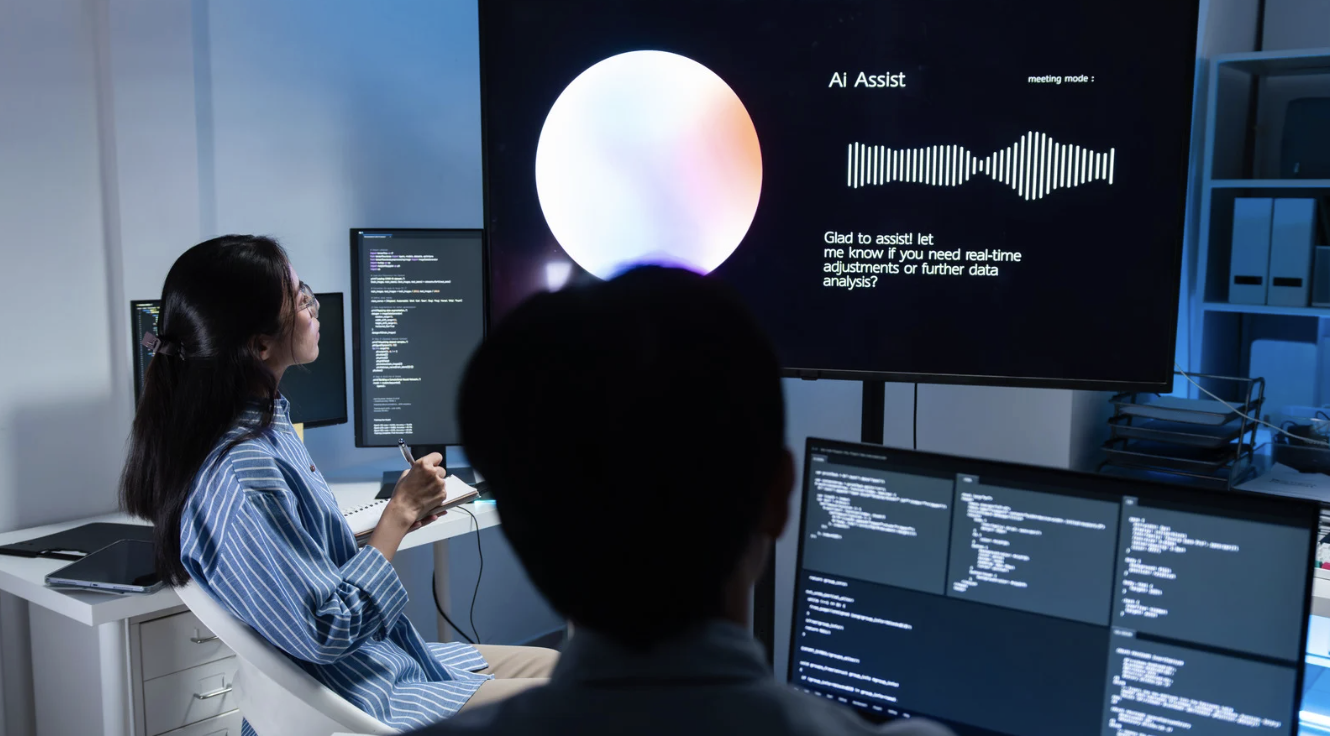
Why Most AI-Assisted MVPs Fail And How to Build One That Actually Scales
It has never been easier to build something that looks like a product. With AI, founders can spin up features, generate code, and launch demos in days. It feels like real momentum. But many of these MVPs start to break the moment real users arrive. The problem is not the tools, it is the lack of clarity behind them. The founders who get it right are not just moving fast, they are building with focus and laying foundations that can actually hold up.