Moving into your first office feels like a relief. Finally, a place where work can happen without negotiating kitchen tables or background noise. Desks get ordered. The Internet gets installed. The move feels complete.
Then reality settles in.
Most first offices technically work. Very few work well. Not because founders make bad choices, but because they underestimate how quickly small oversights compound once people are together every day.
What follows are not edge cases. These are patterns that show up again and again once teams start using a space the way real work demands.
Acoustics and the quiet shortage of meeting rooms
Sound is one of the fastest ways a space breaks down. Open layouts look collaborative until every call becomes a shared experience. Focus slips. Meetings spill into corners. People start apologising for noise instead of solving problems.
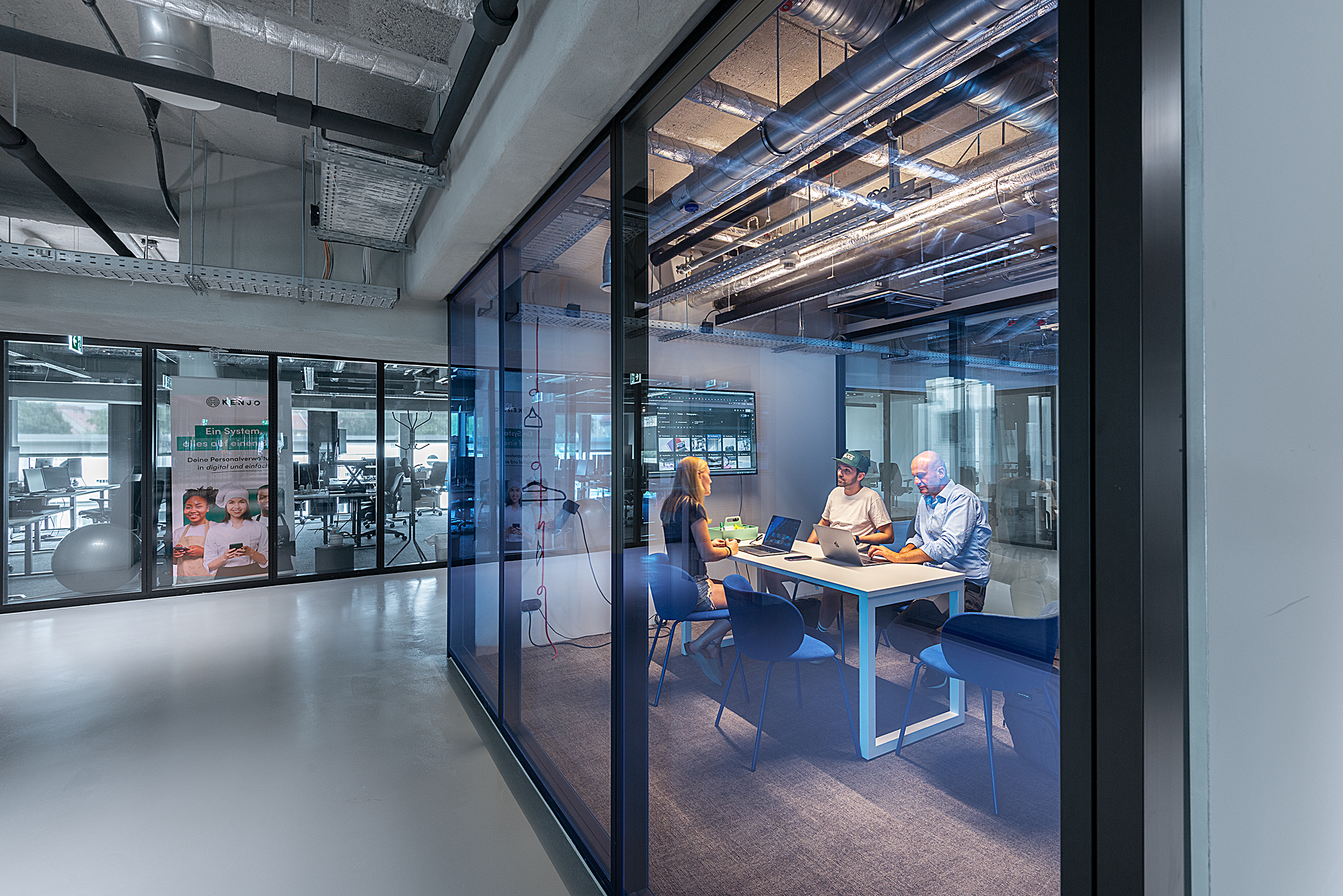
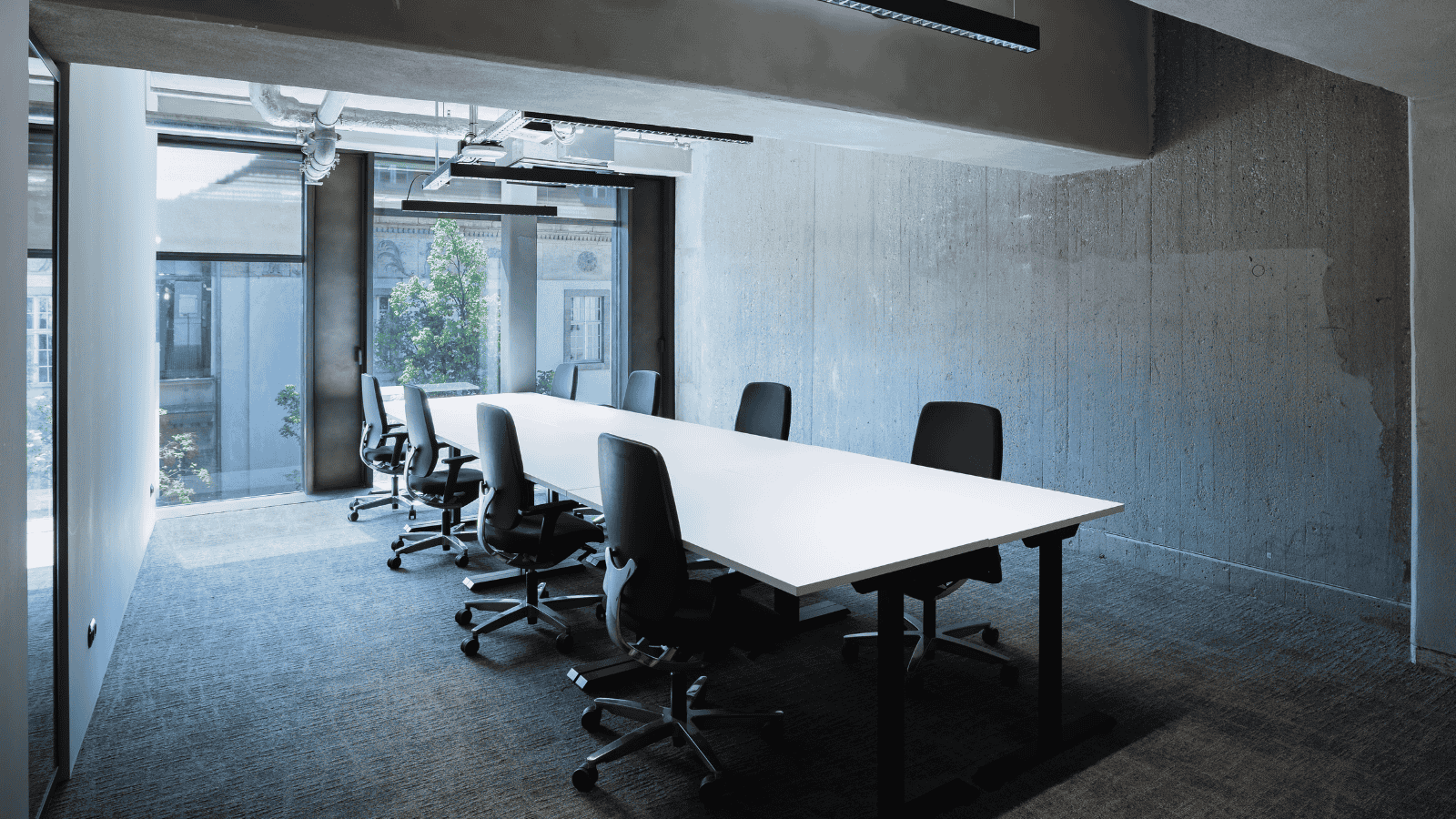
Meeting rooms are usually under planned. One or two feels sufficient on paper. In practice, they fill up instantly. Ad hoc conversations have nowhere to land. Sensitive discussions get postponed or rushed.
This creates friction that does not announce itself loudly. It shows up as slower decisions, more messages, and people working around the space instead of with it.
Good acoustics and enough rooms are not luxuries. They protect attention and trust.
Workspace layout versus how work actually happens
Many offices are laid out based on how teams imagine they will work, not how they do. Rows of desks assume long stretches of individual focus. Large shared tables assume constant collaboration.
Most early teams do both, often within the same hour.
When layout fights work style, people adapt by improvising. Chairs move. Corners become unofficial meeting spots. Kitchen tables turn into sprint planning areas. Over time, this creates low level chaos.
Spaces that work well allow for movement between modes without friction. Focus, discussion, learning, and downtime each need a place to exist without displacing something else.
The closer layout mirrors reality, the less energy teams waste adjusting.
Security and access control as culture signals
Security often feels like an afterthought until it fails. Lost keys. Shared access codes. Doors left open because it is easier than managing permissions.
Beyond risk, access control sends cultural signals. Who feels trusted. Who feels like they belong. How seriously the team treats shared responsibility.
Early teams grow quickly. New joiners arrive. Contractors come and go. Systems that worked at five people start breaking at ten.
Clear, simple access control reduces anxiety and removes unnecessary gatekeeping. It allows teams to focus on work instead of logistics.
IT infrastructure quirks that surface under pressure
The Internet that works most of the time is not enough. Video calls expose weak spots quickly. Power distribution becomes visible when laptops compete for sockets. Shared screens fail when you need them most.
These issues rarely appear on day one. They surface during critical moments. Investor calls. Product reviews. Hiring interviews.
Founders often assume these are temporary annoyances. In reality, they shape confidence and momentum. Teams hesitate to schedule sessions that might fail. Energy drops when basics feel unreliable.
Infrastructure should disappear into the background. When it does not, it becomes a constant tax on focus.
Culture rituals and the absence of shared space
Culture does not emerge automatically once you have an office. It needs places to land. Without communal areas, interaction becomes transactional. People arrive, work, and leave.
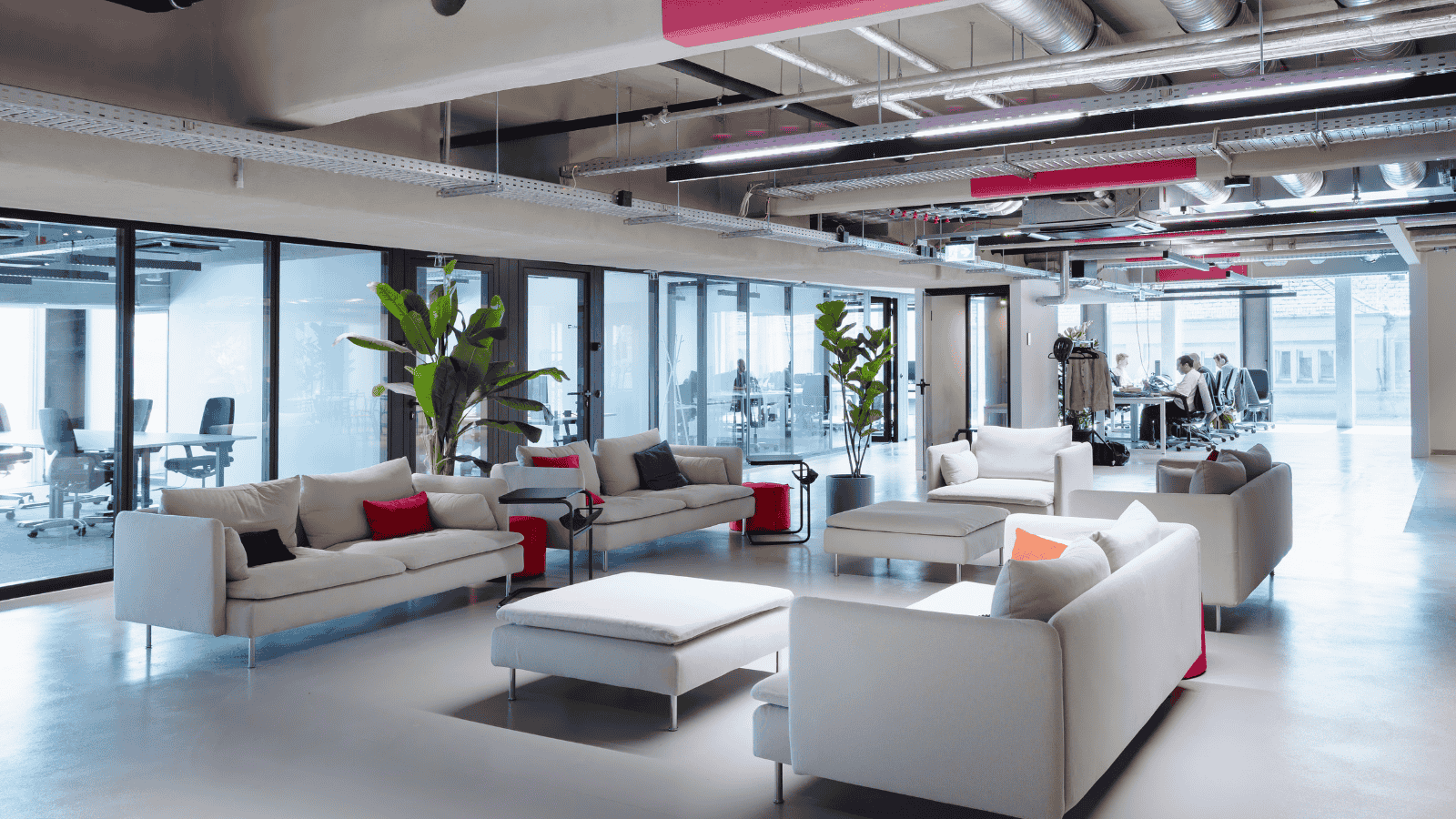
Shared meals, informal check ins, learning moments, and celebrations all need space. Not formal rooms, but places that invite lingering without purpose.
When these areas are missing, culture becomes something talked about rather than experienced. Teams bond less. New joiners integrate more slowly. Leaders work harder to create connections that space could have supported naturally.
At The Delta Campus, we see how communal areas quietly anchor early teams. When space encourages gathering, rituals form without instruction. Culture becomes lived rather than managed.
Your first office will function even if you forget these things. But function is a low bar. The real question is whether your space supports how you want people to work, learn, and grow together.
If you are planning a move and want to explore what a space designed around real work looks like, book a tour now or contact us for more information.
Written by Tsveta Stoeva
Head of Growth