Event spaces in Berlin are no longer judged by size or prestige alone. In recent years, something more subtle has become the deciding factor. How a space makes people feel.
Audiences today arrive with sharper expectations. They have attended enough panels, launches, and networking nights to know when a room is working against the experience instead of supporting it. For event planners, this shift has changed the brief entirely. The question is no longer where can we host this, but what kind of environment will make people stay, engage, and connect.
Across Berlin, the most successful event spaces are responding to that change not by becoming louder or more impressive, but by becoming more intentional.
Warm and intimate beats cold and corporate
One of the clearest shifts in audience preference is the move away from corporate feeling halls. Large, neutral spaces may still work for scale, but they rarely create energy. People tend to sit quietly, wait for the next slide, and leave as soon as the program ends.
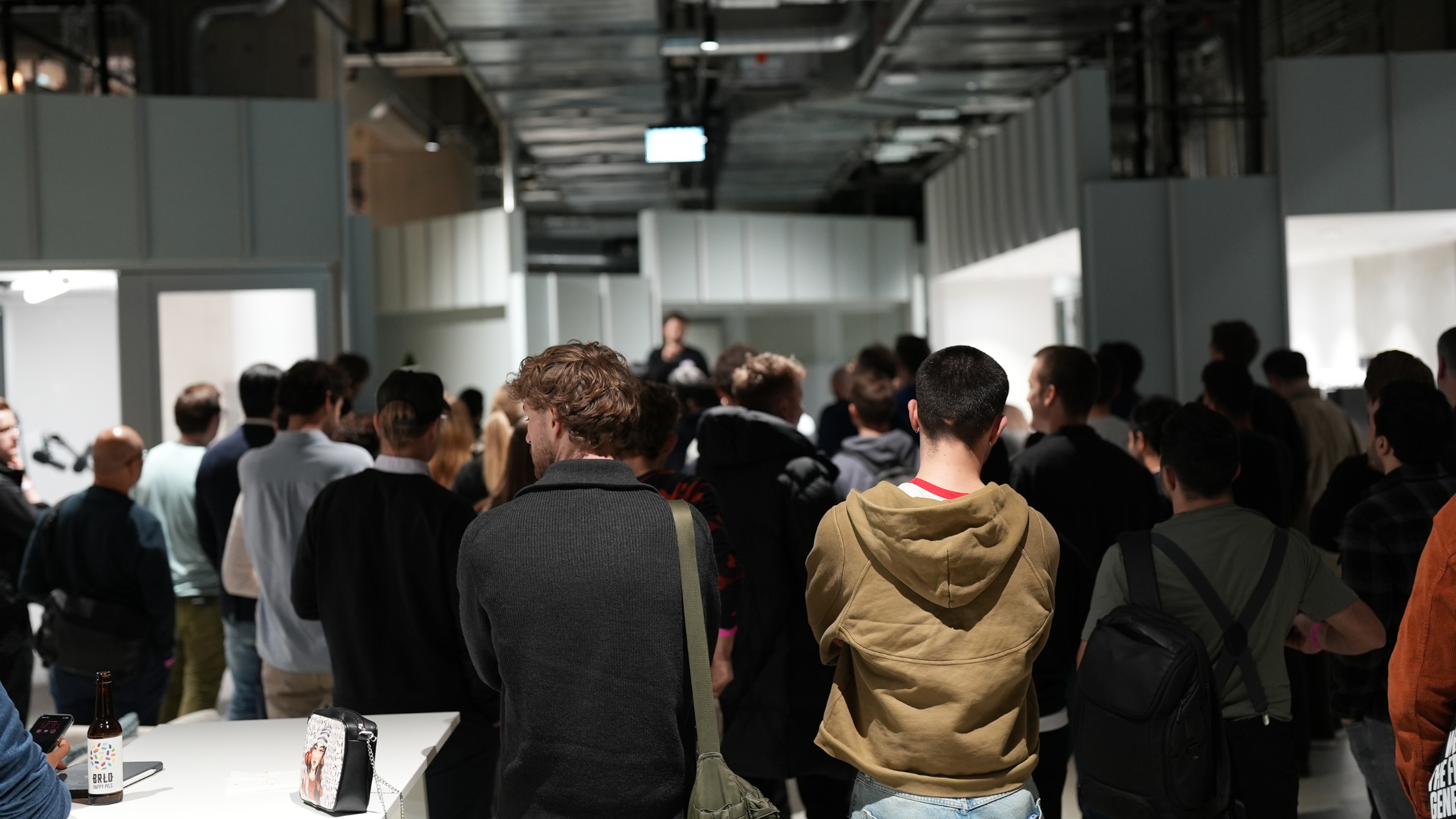
In contrast, spaces that feel warm and human encourage participation. Lower ceilings, softer lighting, and flexible seating arrangements make conversations easier. When people do not feel dwarfed by a room, they are more likely to speak, ask questions, and stay longer.
For planners, this means thinking less about impressing and more about hosting. The most effective spaces today feel closer to a well designed living room than a convention center.
Premium does not have to mean pretentious
Another common misconception is that premium experiences require polished perfection. In reality, audiences are increasingly drawn to spaces that feel considered but not staged.
Exposed materials, visible traces of everyday use, and slightly imperfect details often make a space feel more trustworthy. They signal that the room is designed for people, not for photos. This kind of understated premium experience allows content and connection to take center stage.
Event planners who choose spaces with character over gloss often find that attendees relax faster. When the environment feels accessible, people stop performing and start participating.
Events as lifestyle experiences
Today’s audiences do not separate content from atmosphere. Lighting, sound, music, and visual elements all shape how an event is remembered. A thoughtful playlist before and after a session can influence mood more than a branded backdrop. Warm lighting can turn a formal talk into a conversation. Art on the walls can spark discussion before the event even begins.
This is where curated spaces stand out. They are not neutral containers, but environments with a point of view. They help planners create a coherent experience rather than a sequence of agenda items.
For planners, the takeaway is clear. People remember how an event felt long after they forget what was said.
Why curation matters more than perfection
Curation is not about having the newest furniture or the most expensive setup. It is about intention. The best spaces ask simple questions and answer them consistently. Who is this space for? How do people move through it? Where do conversations naturally happen?
Spaces that get this right do not need constant reconfiguration. They allow events to flow naturally because the environment already supports human behavior.
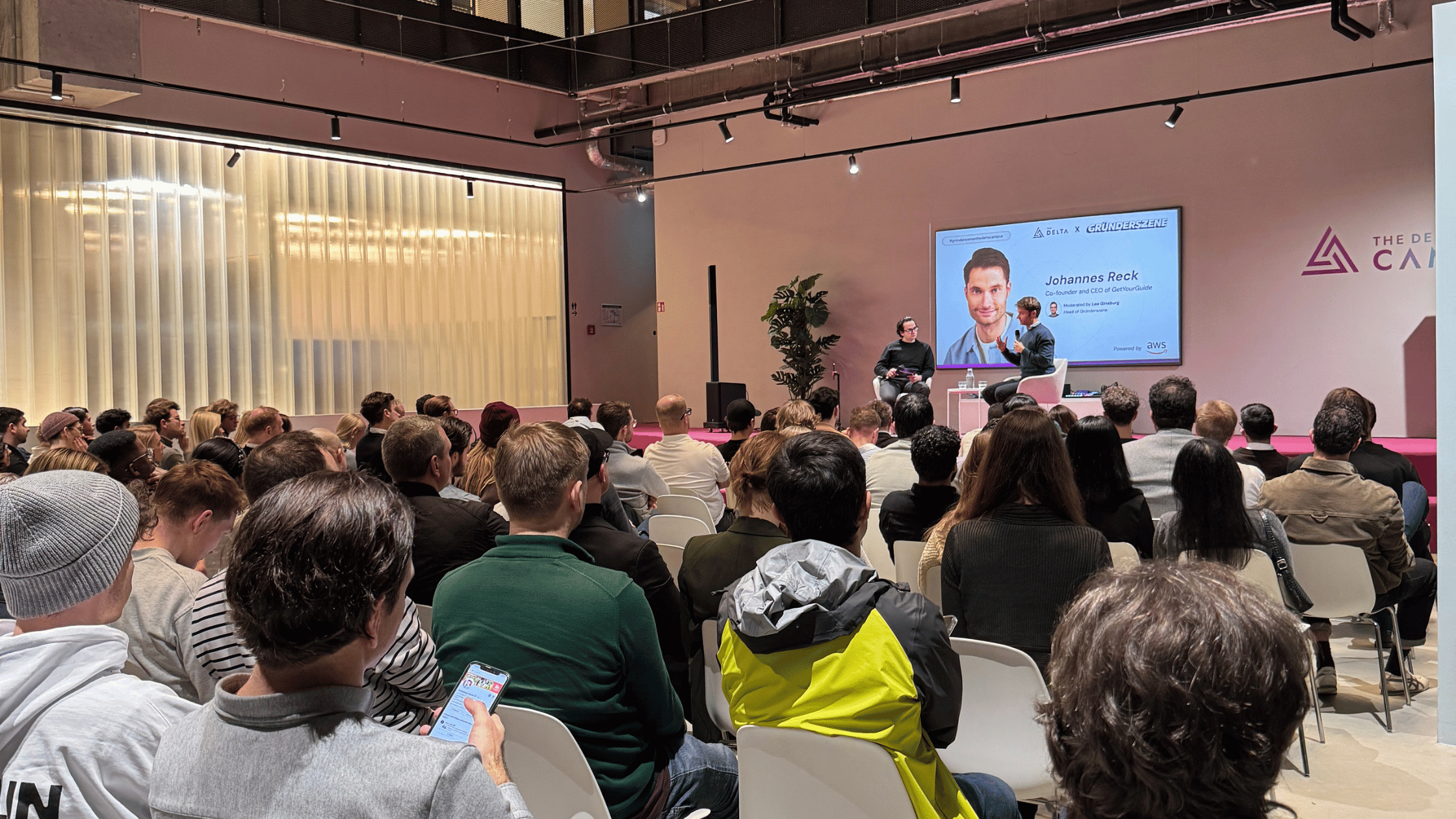
This is especially important for formats that rely on connection such as founder gatherings, workshops, and community events. In these contexts, the space is not a backdrop. It is an active participant.
The Delta Campus as a reference point for thoughtful design
The Delta Campus fits into this shift not by trying to outshine Berlin’s most visually impressive venues, but by prioritizing how people interact within the space. Located in Neukölln, it is designed around everyday use by founders, teams, and creatives who are building alongside each other.
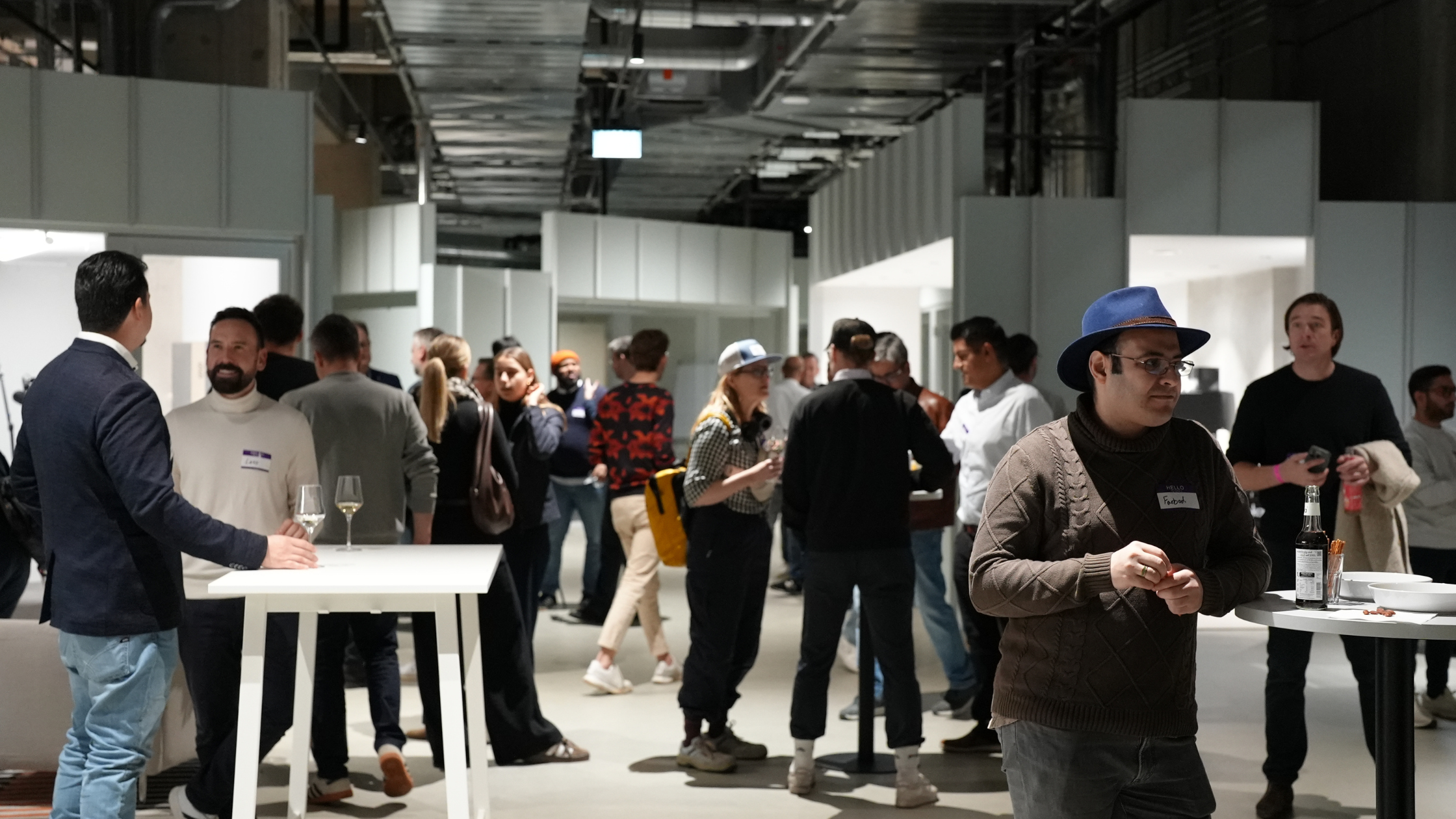
Because the space is lived in, events at The Delta Campus feel grounded. People arrive already in the mindset of collaboration rather than consumption. Conversations start easily because the environment encourages proximity, shared tables, and informal gathering points.
The design choices at The Delta Campus are guided by function and community rather than aesthetics alone. Furniture is flexible. Rooms adapt to different formats. Lighting supports focus during the day and conversation in the evening. Nothing is meant to intimidate, and everything is meant to invite participation.
For event planners, this is an important distinction. The Delta Campus shows that thoughtful curation is not about visual dominance, but about creating conditions where people feel comfortable enough to engage honestly.
What event planners should take away
The most curated event spaces in Berlin today succeed because they understand their audience. They favor warmth over scale, intention over polish, and atmosphere over spectacle.
As expectations continue to evolve, planners who choose spaces aligned with these values will create events that resonate more deeply. Spaces like The Delta Campus demonstrate that you do not need to chase perfection to deliver premium experiences. You need to design for humans.
If you want to experience how thoughtful space and community shape better events and deeper connections, book a tour or enquire about hosting your next event at The Delta Campus.
Written by Nina Dangel
Head of Campus Operations