Startup events used to be built around schedules. Panels at the top of the hour. Networking breaks in between. A clear start, a clear end, and a quiet room once the final slide disappeared.
That model is no longer enough.
Today’s founders, operators, and creators are overwhelmed with information. What they are looking for is not another agenda, but an experience that feels worth leaving their desk for. One that sparks connection, creates momentum, and lingers long after the event ends. The future of startup events lies not in tighter programming, but in deeper experience design.
From agenda driven to experience layered
The most successful startup events today are layered. Content is still important, but it is only one element of a broader experience.
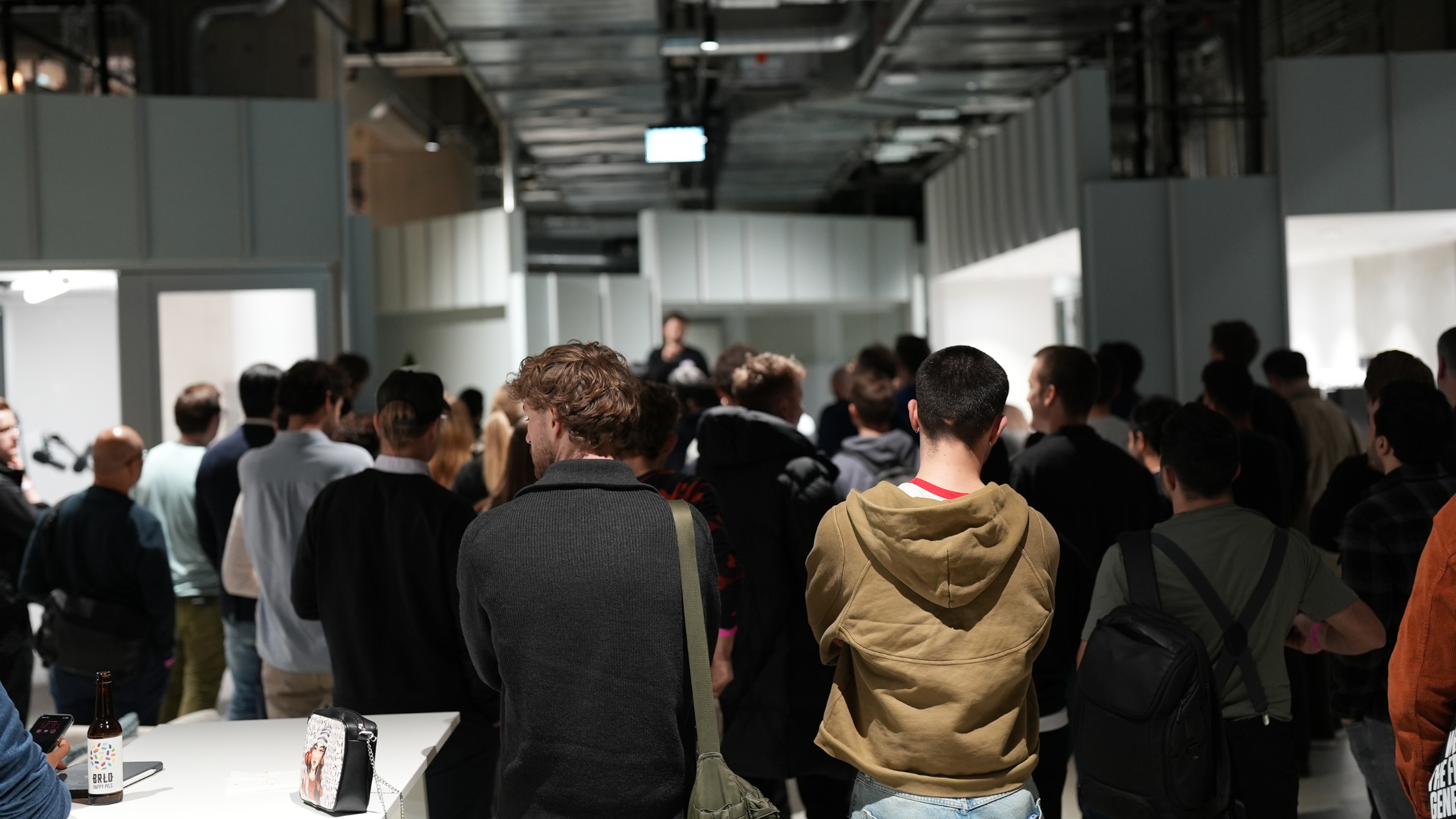
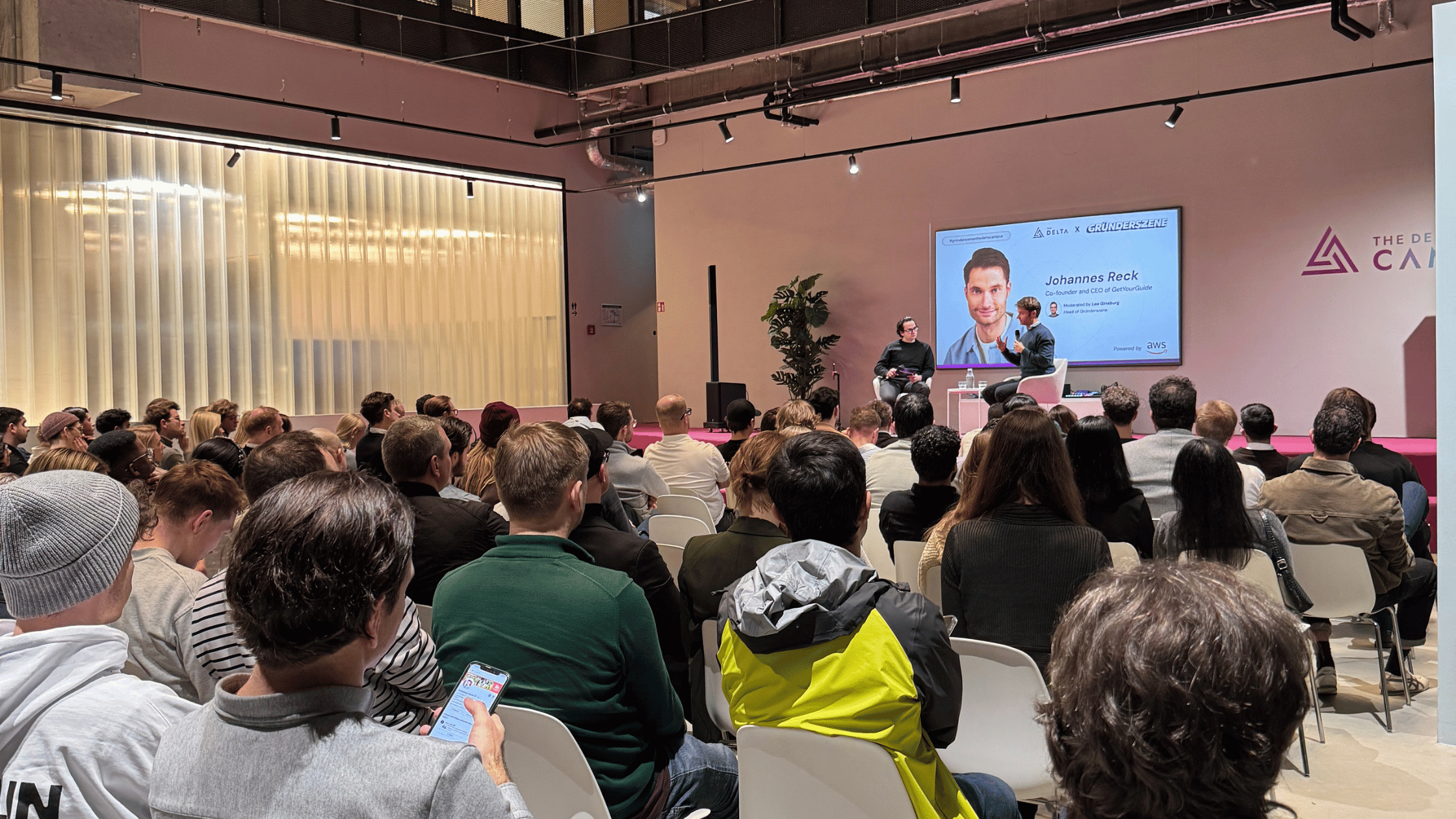
Great speakers draw people in, but the community keeps them engaged. Ambience shapes how conversations unfold. Music, lighting, and spatial flow influence whether people feel open or guarded, curious or rushed.
When these layers work together, events stop feeling transactional. A talk turns into a discussion. A coffee break turns into a collaboration. The experience becomes cohesive rather than fragmented.
Event strategy now requires thinking beyond who is speaking and asking how people will feel from the moment they arrive until long after they leave.
Founder first environments change everything
Founders attend events with a very different mindset than traditional conference audiences. They are time poor, context rich, and often carrying unresolved questions about hiring, growth, or direction.
Founder first environments acknowledge this reality. They prioritize relevance over scale and depth over performance. They create room for honest conversations, not just polished storytelling.
In these spaces, founders are not treated as an audience to impress, but as peers to engage. The room layout encourages dialogue. The programming leaves space for reflection. The environment signals that uncertainty is welcome.
This shift is crucial. When founders feel seen and understood, they stay longer, participate more openly, and return for future events.
Designing events people want to stay at
One of the clearest signals of a successful event is not attendance, but retention. Do people linger after the final session? Do conversations continue organically. Do participants cancel their next meeting because something meaningful is happening in the room?
Designing for this outcome requires intention.
Events that people want to stay at offer flexibility rather than rigid structure. They allow attendees to move between listening and contributing. They provide spaces for quiet conversation alongside moments of collective focus.
Importantly, they do not rush people out. The end of the agenda is not the end of the experience. It is often the beginning of the most valuable interactions.
Events as lifestyle experiences
Startup culture increasingly overlaps with lifestyle. Work, learning, and social connection are no longer neatly separated. The best events reflect this reality by feeling integrated rather than formal.
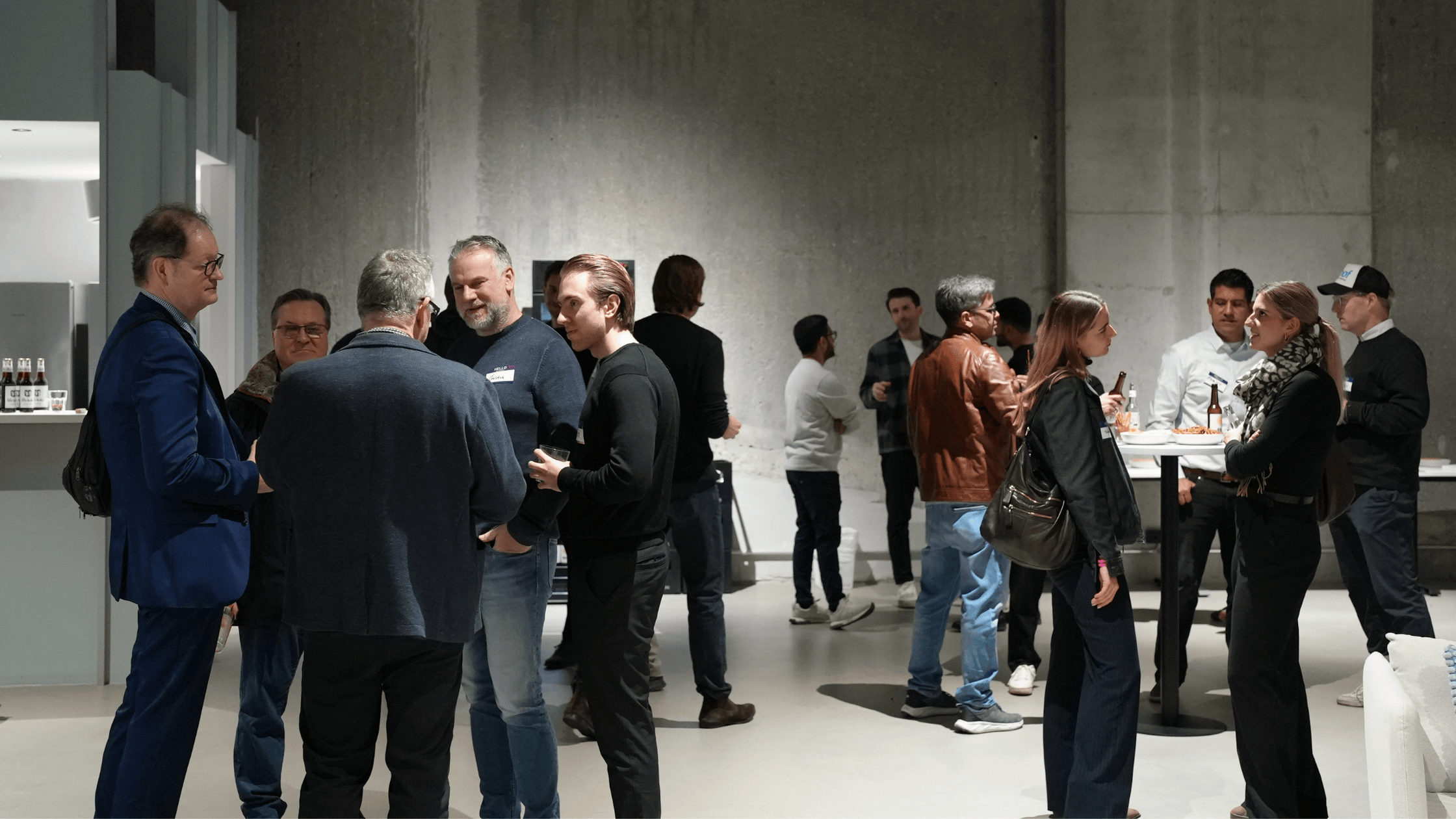
This means choosing environments that feel lived in. Spaces where it is natural to grab a drink, sit down with someone new, or continue a discussion without checking the time. It means curating the atmosphere as carefully as the content.
When events feel like a natural extension of how people want to live and work, attendance becomes intentional rather than obligatory.
Why campus based events feel different
Campus based events bring all of these elements together. They are embedded in daily life rather than temporarily assembled. People arrive already in a collaborative mindset because the space itself is associated with building, learning, and connection.
At The Delta Campus, events feel less like conferences and more like moments within a shared lifestyle. Founders work here, build here, and gather here. That continuity creates trust and familiarity, which in turn makes conversations more open and productive.
The environment supports the experience without dominating it. Nothing is designed to perform for the room. Everything is designed to support interaction, flow, and presence.
This is what makes campus events powerful. They do not interrupt work and community. They deepen it.
What the future looks like
The future of startup events is not bigger stages or denser schedules. It is a thoughtful experience design. It is the founder's first environment. It is a space that invites people to stay, connect, and return.
As expectations continue to evolve, events that focus on human experience rather than agenda density will stand out. They will become the places where real relationships form and real momentum is created.
If you want to experience how this approach comes to life, The Delta Campus offers a setting where events feel less like obligations and more like a natural part of building together.
If this resonates, come experience it in person at The Delta Campus. Book a tour or get in touch about hosting an event.
Written by Nina Dangel
Head of Campus Operations