A leadership story shaped by the hardest moment in travel
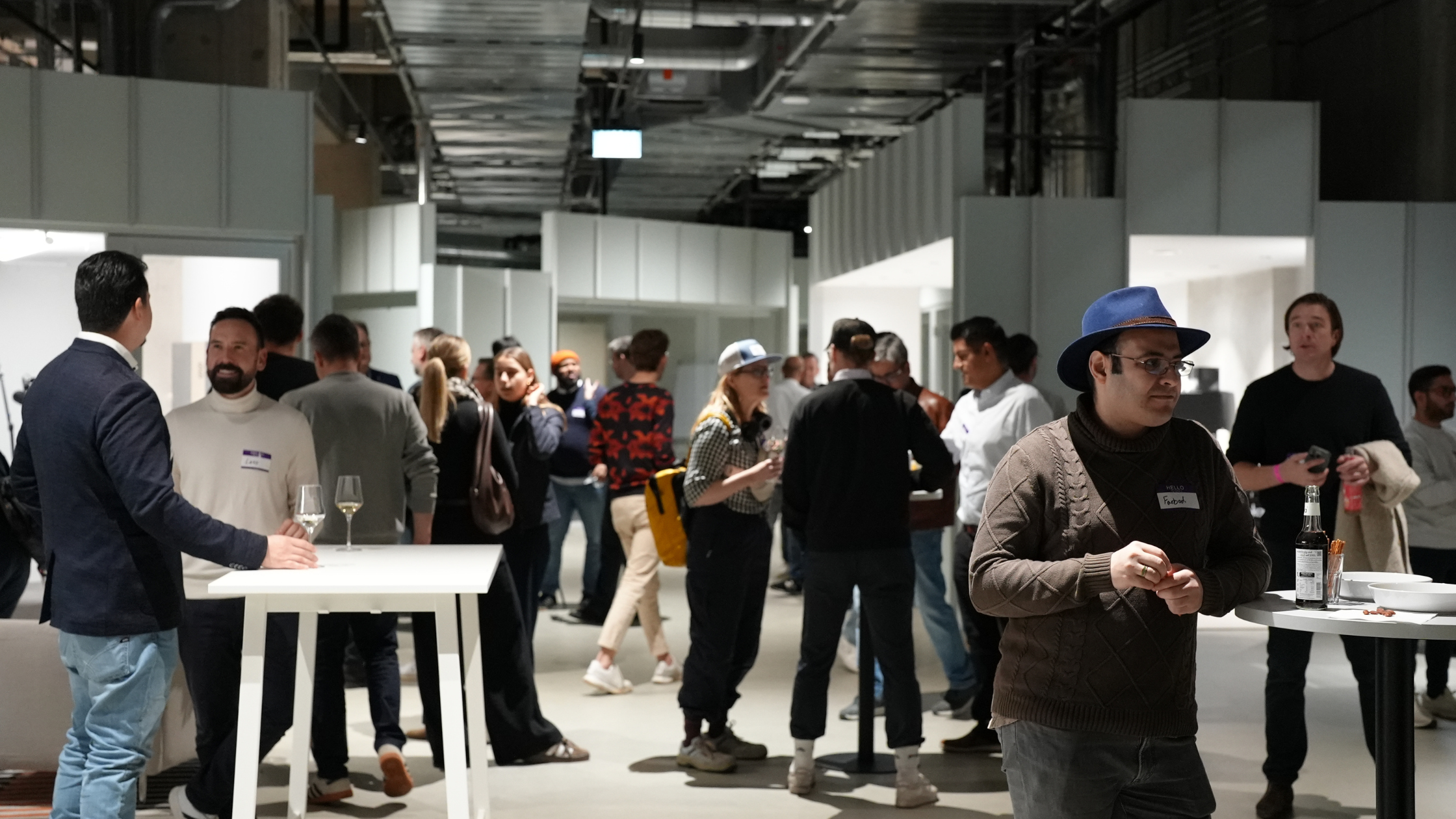
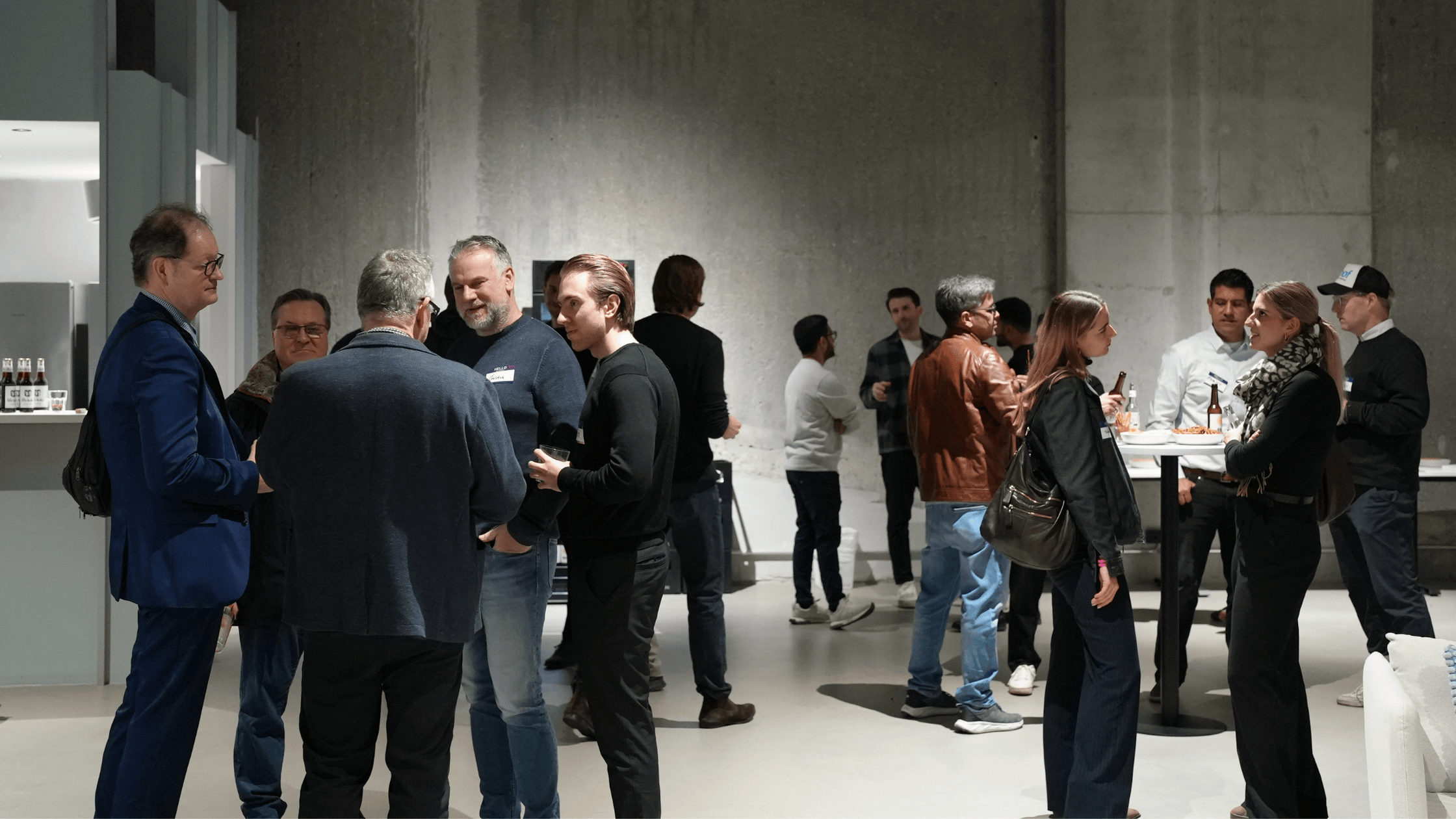
At the fourth edition of Gründerszene × The Delta, Johannes Reck did not just talk about startup growth. He also shared what it means to lead when everything you built is suddenly under threat.
For a travel company, the pandemic was not a slowdown. It was a full stop.
In just four weeks, GetYourGuide went from a revenue run rate of €200 million to zero. Borders closed, cities shut down, and one of Europe’s biggest travel platforms found itself facing an existential crisis.
What followed became one of the most defining chapters in Johannes’s founder journey and one of the clearest examples of what leadership looks like when there is no roadmap.
The moment everything changed
Like many leaders, Johannes did not immediately expect Covid to reshape the world at the scale it did. But once he understood how fast the virus was spreading and how difficult it would be to contain, he realised the crisis would be severe.
He moved quickly.
Even before lockdowns were announced, he urged other founders to send their teams home and begin preparing for a major disruption. Inside GetYourGuide, the work shifted immediately into contingency planning, cost reduction, and scenario modelling.
It was a period of intense pressure, made even more personal by the fact that Johannes’s wife was about to give birth to their first child.
Still, he described the early crisis response almost mechanically. In moments like that, you do not have the luxury of pausing to reflect. You focus on the next decision, then the next, then the next.
Clarity became the leadership strategy
One of the strongest lessons Johannes shared was the power of clarity.
During the pandemic, he wrote weekly emails to the entire company explaining exactly where things stood, what challenges the business faced, what decisions leadership was making, and which scenarios were being considered.
He did something else that stood out even more. In company all hands meetings, he showed employees the bank account.
He shared how much cash the company had, what the burn looked like, and how different measures would affect the runway. It was radical transparency at a time when many companies were still trying to appear stable from the outside.
For Johannes, that openness was essential. In a crisis, people do not need polished messaging. They need honesty.
That honesty built trust and helped the team understand that difficult decisions were being made with full visibility, not behind closed doors.
The decision that helped the company survive
When travel shut down, several investors encouraged GetYourGuide to hibernate the business and make massive cuts.
Johannes took a different path.
Instead of dismantling the company, he built plans around multiple recovery scenarios and looked for a way to preserve as much of the team as possible. The solution was voluntary salary reduction in exchange for discounted equity.
The response was extraordinary.
According to Johannes, 95 percent of the company participated. Engineering, product teams, directors, VPs, and C level leaders all agreed to reduce their salary, on average by around 30 percent, in return for shares.
Johannes cut his own salary heavily as well, but chose not to take shares himself.
This move reduced short term costs, protected the company’s core team, and kept leadership intact. When the travel market came back, GetYourGuide was still in a position to move quickly.
It was not just a financial decision. It was a cultural decision.
The team chose to survive together.
Why scientific thinking mattered in a crisis
Johannes’s background in biochemistry shaped how he approached the pandemic.
Rather than reacting emotionally to every update, he built models based on vaccine timelines, immunity scenarios, and possible recovery windows. The company prepared for outcomes ranging from just over a year to several years of disruption.
That approach created structure in a moment of chaos.
It also helped Johannes resist pressure to make panic driven decisions. While others were telling him to shut the company down, he focused on understanding the likely range of outcomes and building plans for all of them.
It was one of the clearest examples from the conversation of how founder instincts can be strengthened by analytical thinking.
The hardest part came after the crisis
Interestingly, Johannes said the most difficult part was not the acute crisis itself, but returning from it.
During the pandemic, leadership required urgency, intensity, and survival mode thinking. Afterward, rebuilding empathy and normal human rhythm took much longer.
He spoke candidly about how hard it was to reconnect with everyday concerns after spending years focused on keeping the company alive. It took time to become more patient again, more human again, and to lead with a wider emotional lens.
That period changed him.
He now sees leadership less as personal endurance and more as building a company that people genuinely want to carry forward together.
What leadership looks like when everything is on the line
The GetYourGuide story during Covid was not just about making it through a brutal market collapse. It was about how a founder behaves when everyone is watching.
Johannes made it clear that in moments like that, the CEO’s role is to hold the line. If the leader stops believing, the organisation feels it immediately.
His message to the founders was simple. In a crisis, do not look at the wall. Look at the road.
That mindset helped him keep moving, helped his team stay aligned, and ultimately helped the business survive one of the toughest shocks the travel industry has ever faced.
Founder Learnings
- In a crisis, clarity is more valuable than comfort.
- Transparency builds trust faster than polished messaging ever can.
- Strong teams are willing to make sacrifices when they understand the mission.
- Scenario planning helps founders stay rational under pressure.
- Leadership is tested most when the future becomes impossible to predict.
If you’re building through uncertainty and want to do it alongside ambitious founders, The Delta Campus is where that journey starts, so book a tour now or contact us.
Written by Alexandra Matthews
Chief Operating Officer